
Top Waterproofing Products for Reliable Moisture Protection
Discover the leading waterproofing solutions designed to safeguard your property from water damage and ensure long-lasting durability.
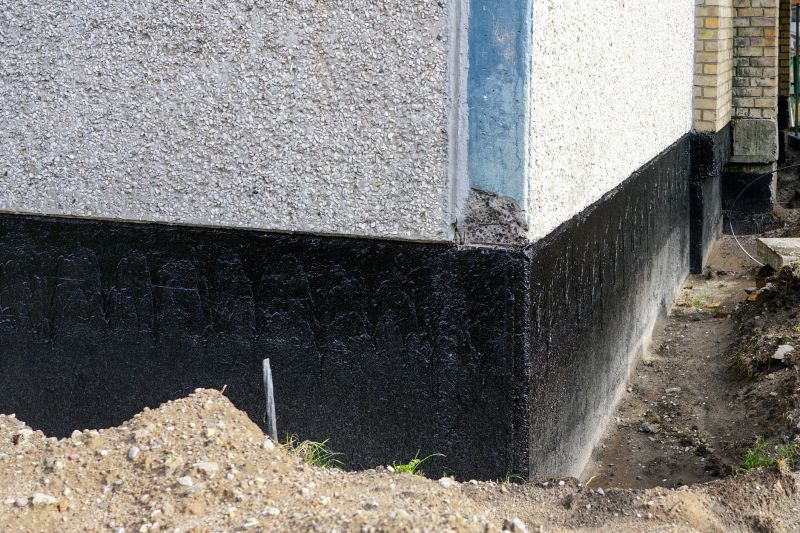 Waterproofing products are essential solutions for protecting structures from water intrusion, moisture damage, and related issues. Whether working on a basement, roof, foundation, or exterior wall, choosing the right waterproofing materials can significantly enhance the durability and longevity of a building. These products come in various forms, including liquid membranes, sealants, coatings, membranes, and tapes, each suited for specific applications and surfaces. Proper application and selection depend on the type of surface, exposure conditions, and the level of waterproofing required.
Top Overall Option
Liquid Waterproofing Membrane
A versatile liquid membrane that can be applied to a variety of surfaces, providing a seamless and flexible barrier against water ingress. It is suitable for basements, roofs, and foundation walls, offering ease of application and reliable coverage. When properly applied, it can adapt to slight movements in the substrate, helping to maintain a continuous waterproof layer. This product is often favored for its durability and ease of touch-up or reapplication in problem areas.
Types of Products For Waterproofings
Liquid Waterproofing Membranes
Fluid coatings that create a seamless barrier when applied, ideal for various surfaces including roofs and foundations.
Bituminous Coatings
Asphalt-based coatings designed for roofing and below-grade waterproofing applications, offering good adhesion and flexibility.
Rubberized Sealants
Flexible sealants suitable for sealing joints, cracks, and penetrations in walls and roofs.
Polyurethane Coatings
High-performance coatings that provide excellent elasticity and chemical resistance, often used on roofs and decks.
Waterproofing Tapes
Self-adhesive tapes designed to seal leaks, cracks, and joints effectively on various surfaces.
Sheet Membranes
Pre-formed sheets made of rubber, bitumen, or plastic used to line foundations and basement walls.
Cementitious Coatings
Waterproof cement-based coatings suitable for concrete and masonry surfaces, easy to apply.
Crystalline Waterproofing
Chemical treatments that penetrate concrete and form crystalline structures to block water passage.
Waterproofing Paints
Specialized paints that provide a water-resistant layer on exterior walls and surfaces.
Spray-On Waterproof Coatings
Spray-applied coatings that form a waterproof barrier, suitable for complex surfaces and irregular shapes.
Hydrophobic Sealants
Sealants that repel water and prevent moisture penetration in porous materials.
Foundation Waterproofing Membranes
Specialized membranes designed for the waterproofing of building foundations and basements.
Drainage Boards
Protective layers that facilitate water drainage away from structures, often used in foundation waterproofing.
Waterproofing Plasters
Plaster-based coatings that provide a waterproof surface for walls and ceilings.
Popular Choices
Widely used for its versatility and ease of application across various surfaces, providing a continuous waterproof layer.
Commonly selected for roofing and below-grade applications, offering reliable water resistance.
Popular for sealing cracks and joints, especially in roofing and masonry applications.
Chosen for their elasticity and durability, suitable for decks and roofs exposed to weather.
Convenient for quick repairs and sealing leaks in various surfaces.
Preferred for foundation waterproofing due to their robustness and ease of installation.
Often used for concrete and masonry, valued for their simplicity and effectiveness.
Growing in popularity for concrete waterproofing due to its chemical bonding properties.
Commonly applied on exterior walls for added moisture resistance.
Valued for complex or irregular surfaces where traditional methods are challenging.
Popular for porous materials requiring water repellency.
Essential for basement and foundation protection, widely used in construction projects.
In Eastlake, Ohio, where seasonal changes can bring moisture challenges, having reliable waterproofing solutions is particularly important. From preventing leaks in basements to sealing rooftops against rain and snow, the right products can help maintain structural integrity and protect interior spaces. It is crucial to understand the different types of waterproofing materials available, their compatibility with existing surfaces, and their ease of application. Investing in quality waterproofing products can save time and costs associated with water damage repairs in the long run.
When selecting waterproofing products, consider factors such as the product’s adhesion properties, flexibility, resistance to UV rays, and ease of maintenance. Some products are designed for specific surfaces like concrete, wood, or metal, while others offer versatile applications across multiple materials. Proper surface preparation and following manufacturer instructions are key to achieving effective waterproofing results. Regular inspections and maintenance can also prolong the lifespan of waterproofed areas, ensuring ongoing protection against moisture issues.
Ultimately, choosing the right waterproofing products involves balancing performance, compatibility, and budget. Consulting with local experts or suppliers in Eastlake, Ohio, can provide valuable insights tailored to regional climate conditions and building types. With the right products and proper application, property owners can better safeguard their investments against water-related challenges, maintaining the structural health and safety of their properties.
Key Buying Considerations
- Compatibility with the surface material (concrete, wood, metal, etc.)
- Type of waterproofing product suitable for the specific application (liquid, sheet, coating, sealant, etc.)
- Ease of application and drying time
- Flexibility and ability to accommodate structural movements
- Resistance to UV rays and weather exposure for outdoor applications
- Durability and lifespan of the waterproofing solution
- Chemical resistance, especially in areas exposed to chemicals or salts
- Compatibility with existing waterproofing or building materials
- Ease of maintenance and reapplication if needed
- Cost-effectiveness relative to the scope of the project
- Manufacturer reputation and product reviews
- Application temperature range and environmental conditions
- Availability of the product in local stores or suppliers
- Warranty or guarantee offered by the manufacturer
- Safety considerations during application, including VOC levels and fumes